
Sustainability is no longer just a marketing concept in the retail industry — it has become a core business strategy. In 2026, global fashion brands, hotels, and retail chains are under increasing pressure to reduce environmental impact while maintaining premium product presentation and operational efficiency.
As a result, the wooden hanger industry is undergoing a major transformation. Buyers are no longer focused solely on price and appearance; they now evaluate sustainability certifications, material sourcing, eco-friendly production methods, and recyclable packaging when selecting suppliers.
From FSC-certified wooden hangers to low-emission manufacturing systems, sustainability is reshaping the future of hanger production worldwide.
Why Sustainability Matters in Retail
Retail businesses across Europe, North America, and Asia are rapidly adopting greener procurement strategies. Environmental responsibility is now directly connected to brand reputation, customer loyalty, and long-term business growth.
Consumer Expectations
Modern consumers are increasingly aware of environmental issues and expect brands to demonstrate sustainable practices throughout the supply chain.
Customers now pay attention to:
- Eco-friendly packaging
- Sustainable materials
- Ethical sourcing
- Waste reduction
- Carbon footprint
For premium fashion brands, sustainable store fixtures and display accessories have become part of the overall brand image.
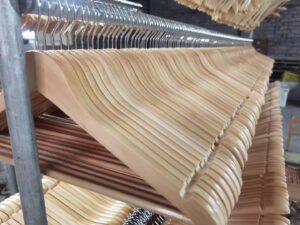
Wooden hangers made from responsibly sourced materials help retailers communicate environmental responsibility more effectively than disposable plastic alternatives.
European Regulations
Europe continues leading global sustainability regulations. Many European countries are strengthening policies related to:
- Plastic reduction
- Recycling targets
- Carbon emissions
- ESG reporting
- Sustainable sourcing
As these regulations become stricter, retailers and importers increasingly seek suppliers capable of meeting international environmental standards.
This trend is driving higher demand for certified sustainable wooden hanger manufacturers.
ESG Strategies
Environmental, Social, and Governance (ESG) initiatives are becoming standard requirements for many global companies.
Retailers now evaluate suppliers not only based on price and quality but also on:
- Sustainability certifications
- Ethical labor practices
- Environmental impact
- Supply chain transparency
For manufacturers, sustainability is no longer optional — it is becoming essential for long-term competitiveness.
Rising Demand for Eco-Friendly Wooden Hangers
Demand for eco-friendly hanger solutions continues growing rapidly across fashion retail and hospitality sectors.
FSC-Certified Wood
FSC certification has become one of the most important standards in sustainable wooden hanger manufacturing.
FSC-certified materials ensure that wood comes from responsibly managed forests that support biodiversity and environmental protection.
Many European retailers now require FSC certification before approving suppliers.
Recyclable Materials
Retailers are increasingly prioritizing recyclable and renewable materials over disposable plastic products.
Compared with plastic hangers, wooden hangers generally offer:
- Better recyclability
- Longer lifespan
- Lower environmental impact
- Improved eco-friendly branding
This shift is especially noticeable in luxury fashion retail and premium hospitality projects.
Natural Coatings
Eco-friendly coatings are replacing traditional chemical-heavy finishes.
Water-based paints, low-VOC coatings, and natural oils are becoming more common because they reduce harmful emissions and improve environmental compliance.
Consumers also increasingly prefer products with natural finishes and minimal chemical odor.
Popular Sustainable Materials in 2026
Material innovation is playing a major role in sustainable hanger development.
Bamboo
Bamboo continues gaining popularity because of its rapid growth cycle and renewable characteristics.
Bamboo hangers are lightweight, durable, and highly attractive for environmentally conscious brands.
Many retailers now position bamboo products as premium eco-friendly alternatives.
FSC Beech Wood
FSC-certified beech wood remains one of the most popular materials for premium wooden hangers.
Beech provides:
- Excellent durability
- Smooth finishing
- Strong structural support
- Long product lifespan
Its combination of sustainability and premium appearance makes it ideal for fashion boutiques and hotels.
Recycled Wood Materials
Some manufacturers are now introducing recycled wood composites and reclaimed wood materials into hanger production.
These materials help reduce waste while supporting circular economy initiatives.
Although still developing, recycled wood hanger solutions are expected to become more common in future retail environments.
Eco-Friendly Manufacturing Trends
Sustainable production methods are becoming increasingly important in the global hanger industry.
Water-Based Painting
Traditional solvent-based paints generate higher chemical emissions. Water-based painting systems are now widely adopted because they:
- Reduce VOC emissions
- Improve workplace safety
- Meet environmental regulations
- Create cleaner production environments
Many global buyers specifically request water-based finishing systems during supplier audits.
Low-Emission Production
Factories are investing in cleaner technologies to reduce energy consumption and carbon emissions.
Examples include:
- Energy-efficient drying systems
- Dust collection equipment
- Cleaner polishing technologies
- Renewable energy integration
Sustainable manufacturing helps suppliers remain competitive in environmentally regulated markets.
Waste Reduction Systems
Modern factories are implementing waste reduction programs to improve production efficiency and minimize environmental impact.
Common practices include:
- Wood scrap recycling
- Packaging optimization
- Water recycling systems
- Lean production management
These improvements help manufacturers reduce operational costs while supporting sustainability goals.
Minimalist Packaging Trends
Packaging sustainability has become a major focus area for retailers and importers.
Plastic-Free Packaging
Many brands are reducing plastic usage in shipping and retail packaging.
Common alternatives include:
- Paper wrapping
- Kraft cartons
- Biodegradable protective materials
- Recyclable paper inserts
Plastic-free packaging aligns well with eco-conscious branding strategies.
Recyclable Cartons
Recyclable export cartons are increasingly preferred by international buyers.
Retailers now evaluate not only product sustainability but also transportation packaging practices.
Carbon Footprint Reduction
Optimized packaging designs help reduce shipping volume and transportation emissions.
Space-saving carton structures and lightweight packaging solutions contribute to lower carbon footprints throughout the supply chain.
Smart Retail & Sustainable Display Solutions
Sustainability trends are also influencing retail technology and display system development.
Reusable Hanger Systems
Retailers increasingly seek reusable hanger systems that can remain in circulation for long periods rather than being treated as disposable accessories.
Durable wooden hangers support this reusable retail model more effectively than low-cost plastic alternatives.
RFID-Ready Hangers
Some advanced retailers now integrate RFID technology into hanger systems for:
- Inventory tracking
- Theft prevention
- Supply chain management
- Smart retail analytics
As retail automation continues evolving, hanger functionality is expanding beyond traditional garment support.
Sustainability Expectations from Global Buyers
Global buyers are placing increasingly strict sustainability requirements on suppliers.
Fashion Brands
Fashion companies now seek suppliers capable of supporting ESG reporting and sustainable sourcing goals.
Premium brands especially value environmentally responsible production because sustainability directly affects brand reputation.
Hotels
Hotels are also strengthening sustainability initiatives through eco-friendly procurement practices.
Many hospitality groups now prioritize:
- FSC-certified wooden products
- Recyclable packaging
- Long-lasting product durability
- Reduced plastic usage
Retail Chains
Large retail chains increasingly require suppliers to pass environmental audits and compliance reviews before cooperation.
Manufacturers unable to meet sustainability standards may struggle to remain competitive in international markets.
How Manufacturers Adapt to Green Procurement
To remain competitive, wooden hanger manufacturers are rapidly adapting to changing global procurement standards.
Certification Upgrades
Factories are investing in certifications such as:
- FSC
- BSCI
- ISO environmental systems
- REACH compliance
These certifications help suppliers access premium international markets.
Supply Chain Transparency
Buyers increasingly request transparency regarding:
- Raw material sourcing
- Production methods
- Labor standards
- Environmental management
Manufacturers with transparent supply chains build stronger trust with international clients.
Sustainability reporting and factory audits are becoming more common across the hanger industry.
Conclusion
Sustainability is reshaping the future of wooden hanger manufacturing in 2026. What was once considered a niche market trend has now become a major purchasing priority for fashion brands, hotels, and retail chains worldwide.
From FSC-certified wood and eco-friendly coatings to recyclable packaging and low-emission production systems, sustainable innovation is driving the next generation of hanger manufacturing.
As environmental regulations continue tightening and consumer expectations rise, manufacturers that invest in sustainable materials, cleaner production technologies, and transparent supply chains will gain significant competitive advantages in the global market.
For retailers and hospitality businesses, sustainable wooden hangers are no longer simply functional display tools — they have become an important part of modern brand identity, ESG strategy, and long-term business development.





 English
  Spanish
  French
  German
  Danish
  Indonesian
  Italian
  Japanese
  Korean
  Polish
  Turkish