
Sustainability is no longer a trend in Europe — it is a requirement. Across the fashion and retail industries, brands are under increasing pressure to reduce environmental impact, comply with evolving EU regulations, and meet consumer expectations for responsible sourcing.
One often-overlooked product is the humble clothes hanger. Traditionally seen as a low-cost accessory, hangers are now becoming a key part of sustainable retail strategies. From recycled plastic to FSC-certified wood, the shift toward eco-friendly hangers is transforming how fashion brands operate.
In this 2026 guide, we explore why sustainable hangers matter, the different types available, and how your brand can benefit from making the switch.
Why Sustainability Matters in the European Market
Rising Consumer Awareness
European consumers are among the most environmentally conscious in the world. Today’s shoppers actively evaluate brands based on their sustainability efforts, including packaging, materials, and supply chains. Even small details — like the type of hanger used — can influence perception.
A growing number of consumers prefer brands that:
- Use recyclable or renewable materials
- Reduce single-use plastics
- Support circular economy initiatives
Ignoring these expectations can result in lost trust and reduced competitiveness.
EU Regulations and Compliance
The European Union is tightening regulations around packaging and waste, including initiatives such as the Packaging and Packaging Waste Regulation (PPWR). These policies directly impact retailers and their suppliers.
Key implications for hanger usage include:
- Reduction of virgin plastic materials
- Increased demand for recyclable and reusable products
- Greater transparency in sourcing and production
For brands selling in Europe, switching to sustainable hangers is not just a marketing decision — it is a compliance strategy.
Types of Sustainable Hangers
1. Recycled Plastic Hangers
Recycled plastic hangers are made from post-consumer or post-industrial waste, reducing the need for virgin plastic production.
Advantages:
- Lower environmental footprint
- Cost-effective compared to other eco options
- Durable and suitable for mass retail
These hangers are widely used by fast fashion brands looking to balance sustainability and cost.
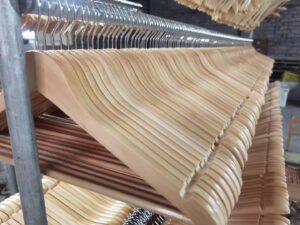
2. FSC-Certified Wooden Hangers
Wooden hangers made from FSC-certified sources ensure that the material comes from responsibly managed forests.
Advantages:
- Premium appearance
- Strong and long-lasting
- Aligns with eco-conscious brand positioning
They are especially popular among luxury fashion brands and boutique retailers.
3. Biodegradable and Paper Hangers
An emerging category in the market, these hangers are designed to break down naturally after disposal.
Advantages:
- Minimal environmental impact
- Ideal for short-term or promotional use
- Lightweight and innovative
While still developing, this segment is gaining traction in Europe.
4. Reusable Hanger Systems
Some retailers are moving toward closed-loop systems where hangers are collected, reused, and redistributed.
Advantages:
- Supports circular economy models
- Reduces long-term costs
- Enhances brand sustainability credentials
This approach is increasingly adopted by large retail chains.
Benefits of Sustainable Hangers for Fashion Brands
1. Enhanced Brand Image
Sustainability is a powerful branding tool. Using eco-friendly hangers signals responsibility and innovation, helping brands stand out in a crowded market.
Consumers are more likely to trust and remain loyal to brands that demonstrate genuine environmental commitment.
2. Compliance with European Standards
Switching to sustainable materials helps brands align with EU regulations and avoid potential penalties or restrictions.
It also simplifies entry into environmentally strict markets such as Germany, France, and the Nordic countries.
3. Long-Term Cost Efficiency
While some sustainable options may have higher upfront costs, they often provide savings over time through:
- Reusability
- Durability
- Reduced waste management costs
4. Improved Retail Presentation
Eco-friendly hangers are not only functional but also aesthetically appealing. Wooden and velvet options, for example, enhance the perceived value of garments.
This is particularly important in physical retail, where presentation directly impacts sales.
How to Choose the Right Sustainable Hanger Supplier
Selecting the right supplier is critical to achieving both sustainability and business goals.
1. Check Certifications
Look for internationally recognized certifications such as:
- FSC (Forest Stewardship Council)
- GRS (Global Recycled Standard)
These ensure material credibility and compliance.
2. Evaluate Customization Capabilities
European brands often require:
- Custom logos
- Specific colors (Pantone matching)
- Unique designs
A supplier with strong OEM/ODM capabilities can help you build a distinctive brand identity.
3. Assess Production Capacity
Ensure the manufacturer can handle:
- Large-volume orders
- Consistent quality
- Reliable lead times
This is especially important for growing brands and retail chains.
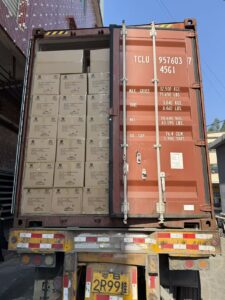
4. Consider Logistics and Export Experience
Working with a supplier experienced in European markets ensures:
- Smooth shipping processes
- Proper documentation
- Reduced risk of delays
Key Trends Shaping the Future (2026 and Beyond)
1. Shift Away from Single-Use Plastics
The industry is steadily moving away from disposable plastic hangers toward reusable and recyclable alternatives.
2. Integration with Retail Systems
Hangers are becoming part of broader retail solutions, including display systems and inventory tracking technologies.
3. Growth of Circular Economy Models
Brands are investing in systems that reuse materials, reduce waste, and extend product lifecycles.
4. Increased Demand for Customization
Personalized hangers with branding elements are becoming standard, not optional.
Conclusion
Sustainable hangers are no longer a niche product — they are a strategic necessity for brands operating in Europe. From regulatory compliance to brand positioning, the benefits are clear.
As the retail landscape continues to evolve, businesses that adopt eco-friendly solutions early will gain a significant competitive advantage.
Get Started with Sustainable Hanger Solutions
Looking to upgrade your hanger solutions for the European market?
We provide a full range of eco-friendly options, including recycled plastic hangers, FSC-certified wooden hangers, and custom branding services.
Contact us today to request samples or get a customized quote.


 English
  Spanish
  French
  German
  Danish
  Indonesian
  Italian
  Japanese
  Korean
  Polish
  Turkish