
In the retail industry, even small details can influence customer perception and purchasing decisions. One of the most overlooked elements in apparel presentation is the hanger itself. Whether in luxury boutiques, department stores, fashion chains, or hotels, hangers play an important role in visual merchandising, garment protection, and overall brand image.
For retailers sourcing display accessories in 2026, the debate between wooden and plastic pant hangers continues to grow. Both options offer unique advantages depending on business type, target market, and budget strategy.
So which option is better for retailers? The answer depends on your brand positioning, operational needs, and long-term retail goals.
Why Hanger Choice Matters in Retail
Many retailers focus heavily on store design, lighting, and packaging while underestimating the importance of hangers. However, hangers directly affect how customers perceive product quality.
A well-presented garment displayed on the right hanger looks more premium, organized, and attractive. On the other hand, poor-quality hangers can negatively impact the shopping experience.
Visual Merchandising
Hangers are part of the store’s visual presentation system. Premium hangers help create cleaner displays and support luxury branding strategies.
For example, wooden hangers often create a more sophisticated retail atmosphere in boutiques and designer stores, while plastic hangers are commonly used in high-volume retail environments where cost efficiency is the priority.
Product Protection
Garment support is another critical factor. Poorly designed hangers may cause wrinkles, stretching, or shoulder deformation.
Heavy garments such as suits, coats, and trousers typically require stronger support systems to maintain their shape during long-term display.
Customer Perception
Customers subconsciously associate hanger quality with garment quality. Luxury brands understand this well, which is why many invest in premium wooden hanger systems to strengthen brand perception.
In hotels, wardrobe presentation also affects guest experience. This explains why many hospitality businesses prefer wooden hangers in guest rooms rather than low-cost plastic alternatives.
Advantages of Wooden Pant Hangers
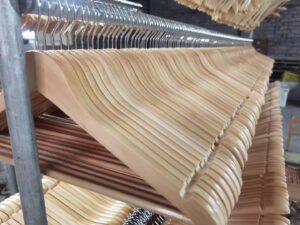
Wooden pant hangers remain the preferred choice for premium retail environments because of their durability, aesthetics, and long-term value.
Un look haut de gamme
Wood offers a natural and elegant look that enhances product presentation. Luxury boutiques and designer stores often use wooden hangers to create a sophisticated shopping atmosphere.
Natural wood textures also pair well with modern retail interiors and minimalist store concepts.
Better Durability
Compared with plastic, wooden hangers are generally more durable and resistant to bending or breaking. High-quality wooden hangers can last for many years with proper maintenance.
This durability makes them suitable for retailers seeking long-term operational value rather than short-term cost savings.
Stronger Support for Heavy Garments
Wooden hangers provide better structural support for:
- Costumes
- Manteaux
- Trousers
- Vestes
- Tenue de soirée
Premium fashion retailers especially value this advantage because garment shape preservation is essential for display quality.
Many hotels also choose wooden hangers because they offer a more luxurious guest experience while providing stronger support for heavier clothing items.
Advantages of Cintres en plastique pour pantalons
Despite the popularity of wooden hangers in luxury retail, plastic hangers continue to dominate many large-scale retail operations.
Lower Cost
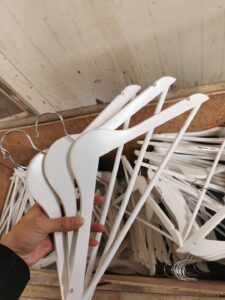
Plastic hangers are significantly cheaper than wooden alternatives, making them attractive for retailers with large inventory volumes.
Fast fashion brands and discount chains often prioritize cost reduction, especially when managing thousands of garments across multiple stores.
Léger
Plastic hangers are lighter, which helps reduce shipping costs and simplifies transportation and warehouse handling.
This can be especially beneficial for international supply chains focused on cost optimization.
Suitable for Mass Retail
Plastic hangers work well in:
- Fast fashion stores
- Outlet retailers
- High-volume supermarkets
- Promotional clothing displays
In these environments, operational efficiency often matters more than premium presentation.
Comparaison des coûts
Cost is one of the biggest factors retailers consider when choosing hanger materials.
Initial Investment
Plastic hangers generally have a lower upfront cost. Retailers operating on tight budgets may prefer plastic for short-term savings.
Wooden hangers require higher initial investment due to material quality, manufacturing complexity, and finishing processes.
Long-Term Replacement Costs
Although wooden hangers cost more initially, they often last significantly longer than plastic alternatives.
Plastic hangers may crack, warp, or break over time, especially under heavy garment weight or frequent handling.
As a result, retailers should evaluate not only purchase price but also long-term replacement frequency and maintenance costs.
Comparaison en matière de développement durable
Sustainability has become one of the most important purchasing considerations for global retailers in 2026.
Recyclability
Wooden hangers are generally easier to recycle and may have lower environmental impact when sourced responsibly.
Many retailers now choose FSC-certified wooden products to support sustainability initiatives and meet environmental compliance standards.
Eco-Friendly Image
Consumers increasingly associate wooden products with natural and environmentally friendly branding.
Luxury brands especially benefit from using sustainable materials because eco-conscious customers often view wooden display systems as more responsible than plastic alternatives.
Environmental Regulations in Europe
European environmental policies continue becoming stricter regarding plastic waste and sustainability reporting.
As a result, many European retailers are gradually reducing single-use plastic materials and increasing demand for recyclable wooden display products.
This trend is particularly visible in premium retail and hospitality sectors.
Best Use Cases for Cintres en bois
Wooden hangers are ideal for businesses that prioritize presentation, durability, and brand image.
Luxury Boutiques
Designer stores often use premium wooden hangers to support luxury positioning and elevate customer experience.
Marques de mode
Mid-range and premium apparel brands frequently choose wooden hangers because they improve garment presentation and strengthen visual merchandising.
Hôtels
Hotels and resorts commonly prefer wooden hangers in guest wardrobes because they create a more upscale appearance and offer better durability.
Luxury hospitality businesses especially value coordinated wooden hanger systems that match room interiors and branding standards.
Best Use Cases for Plastic Hangers
Plastic hangers remain practical for retailers focused on cost efficiency and operational scale.
Fast Fashion
Fast fashion retailers prioritize affordability and inventory turnover, making plastic hangers a more economical choice.
Discount Retail
Budget-focused stores often choose plastic because of lower procurement costs.
High-Volume Operations
Retailers handling massive inventory volumes may benefit from the lighter weight and lower pricing of plastic hanger systems.
Which Option Is Better for Your Business?
There is no universal answer because the best hanger choice depends on business strategy.
Based on Positioning
- Luxury retailers usually benefit more from wooden hangers
- Budget retailers may prioritize plastic cost advantages
Based on Budget
Businesses with limited upfront budgets may initially prefer plastic systems, while long-term brand-focused retailers often invest in wooden solutions.
Based on Target Customers
Customer expectations matter significantly.
Premium customers often associate wooden hangers with higher quality and better shopping experiences, while mass-market consumers may place less emphasis on display materials.
Retailers should align hanger selection with customer expectations and overall brand identity.
Conclusion
Choosing between wooden and plastic pant hangers is ultimately a strategic business decision rather than simply a cost comparison.
Wooden hangers provide premium presentation, superior durability, and stronger support for luxury garments, making them ideal for boutiques, fashion brands, and hotels. Plastic hangers, meanwhile, offer affordability and operational efficiency for fast fashion and high-volume retail environments.
As sustainability trends continue shaping the global retail market, more businesses are reevaluating their hanger strategies to balance cost, environmental responsibility, and customer experience.
In 2026, retailers that carefully align hanger selection with brand positioning and long-term business goals will be better positioned to create stronger visual merchandising, improve customer perception, and enhance overall retail performance.



 French
  English
  Spanish
  German
  Danish
  Indonesian
  Italian
  Japanese
  Korean
  Polish
  Turkish