
Introduktion
The European hanger market is undergoing a major transformation in 2026. What was once considered a simple retail accessory is now becoming an important part of fashion sustainability strategies, brand identity, and supply chain compliance. Across Europe, fashion retailers, supermarkets, luxury brands, and e-commerce businesses are actively searching for more sustainable hanger solutions as environmental regulations tighten and consumers become more eco-conscious.
In the past, low-cost plastic hangers dominated the market because they were cheap, lightweight, and easy to mass produce. However, the industry is rapidly shifting toward eco-friendly alternatives such as recycled plastic hangers, FSC-certified wooden hangers, and paper-based hangers. The demand for sustainable hangers is no longer limited to luxury fashion brands. Even fast fashion retailers are now under pressure to reduce plastic waste and improve their environmental image.
This article explores the latest sustainable hanger trends in Europe, the impact of environmental regulations, and why manufacturers must adapt quickly to remain competitive.
Why European Brands Are Moving Away from Traditional Plastic Hangers
One of the biggest reasons behind the transformation of the hanger industry is the increasing pressure from European environmental policies. The European Union has introduced several initiatives focused on reducing plastic waste and encouraging circular economy practices. Retailers are now expected to reduce unnecessary packaging materials and improve the recyclability of products throughout the supply chain.
Traditional plastic hangers are often made from virgin plastic materials that are difficult to recycle efficiently. Many retailers have discovered that millions of hangers end up in landfills every year because customers throw them away after purchasing clothes. As sustainability reporting becomes more important, fashion brands are now evaluating every component of their packaging and display systems.
Consumers are also influencing this change. Younger shoppers, especially Gen Z and millennials, are more likely to support brands that demonstrate environmental responsibility. Fashion companies that continue using excessive plastic may face criticism on social media and damage to their reputation.
As a result, many retailers are now requesting:
- Bøjler af genbrugsplast
- FSC-certificerede træbøjler
- Biologisk nedbrydelige bøjler
- Tapetserere
- Reusable retail hanger systems
The transition is happening quickly across Europe, particularly in countries such as Germany, France, the Netherlands, and Scandinavia.
Popular Eco-Friendly Hanger Materials
Bøjler af genbrugsplast
Recycled plastic hangers are currently one of the fastest-growing categories in the industry. These hangers are typically manufactured using post-consumer or post-industrial recycled materials. By reusing existing plastic waste, manufacturers can reduce the need for virgin plastic production.
Many fashion retailers prefer recycled polypropylene (PP) and recycled polystyrene (PS) because they maintain good durability while supporting sustainability goals.
FSC-certificerede træbøjler
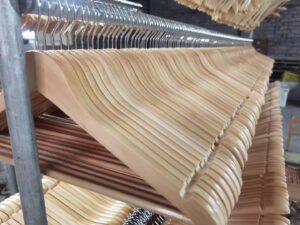
Wooden hangers remain highly popular in premium retail and hospitality industries. FSC certification ensures that the wood comes from responsibly managed forests. Luxury brands often choose wooden hangers because they provide a premium appearance while aligning with environmental commitments.
Beech wood, walnut wood, and lotus wood are among the most commonly used materials for high-end hanger production.
Paper Hangers
Paper hangers are becoming increasingly important in Europe. New manufacturing technologies have significantly improved their durability and load-bearing capacity. Many paper hangers are now strong enough to support lightweight garments while remaining fully recyclable.
Fashion brands that prioritize sustainability are beginning to adopt paper hangers for:
- Fast fashion collections
- Children’s clothing
- E-commerce apparel
- Promotional clothing campaigns
Ocean-Bound Plastic Materials
Some manufacturers are now using ocean-bound plastic to produce hangers. This material is collected before plastic waste reaches oceans and waterways. Using ocean-bound plastic allows brands to strengthen their sustainability marketing while contributing to environmental cleanup efforts.
Fordele for modebrands
Sustainable hangers offer several important advantages for fashion companies.
Improved Brand Image
Consumers increasingly associate sustainable packaging with responsible business practices. Brands that invest in eco-friendly hanger systems can improve customer trust and strengthen their market position.
Regulatory Compliance
European regulations are becoming stricter each year. Companies that proactively switch to sustainable materials are better prepared for future compliance requirements.
Enhanced Retail Presentation
Eco-friendly does not mean low quality. Many sustainable hangers now feature elegant finishes, premium textures, and customized branding options that enhance in-store presentation.
Competitive Advantage
Retailers that adopt sustainable hanger solutions early may gain advantages over competitors that continue relying on traditional plastic systems.
Challenges Manufacturers Face
Despite the opportunities, manufacturers also face several challenges.
Higher Material Costs
Sustainable raw materials are often more expensive than standard plastic materials. FSC-certified wood and recycled materials may increase production costs.
Supply Chain Complexity
Sourcing certified materials requires careful supplier management and quality control.
Durability Concerns
Some eco-friendly alternatives may not yet match the strength and longevity of traditional plastic hangers.
Production Adjustments
Factories may need to upgrade machinery or redesign production processes to support sustainable materials.
Future Trends for 2026–2030
The future of the hanger industry will likely focus on circular economy systems. Instead of single-use hangers, retailers may increasingly adopt reusable hanger collection and recycling programs.
Technology will also play a larger role. RFID-enabled hangers and digital product tracking systems may become more common as retailers improve inventory management.
Customization will continue growing as brands seek unique retail experiences. Eco-friendly hangers with luxury finishes, engraved logos, and premium coatings will become increasingly popular.
Manufacturers that combine sustainability, customization, and technology will likely dominate the next phase of the market.
Konklusion
The European hanger market is entering a new era. Sustainability is no longer optional—it is becoming a core requirement across the fashion industry. Recycled plastics, FSC-certified wood, and paper hangers are rapidly replacing traditional low-cost plastic options.
For manufacturers, the shift presents both challenges and opportunities. Companies that invest in sustainable materials, product innovation, and customized solutions will be well positioned for long-term success in the evolving global hanger market.



 Danish
  English
  Spanish
  French
  German
  Indonesian
  Italian
  Japanese
  Korean
  Polish
  Turkish